

The Ultimate Guide to Corrosion-Resistant Invisible Grill Installation
- Ypl Invisible grill
- 2 days ago
- 3 min read


Invisible grills have become a popular choice for homeowners and businesses seeking safety without compromising aesthetics. These grills provide security while maintaining clear views and an open feel. However, one challenge that often arises is corrosion, especially in humid or coastal environments. Choosing corrosion-resistant materials and proper installation techniques ensures your invisible grill lasts longer and performs better.
This guide covers everything you need to know about corrosion-resistant invisible grill installation, from materials to maintenance, helping you make informed decisions for your property.
Why Choose Corrosion-Resistant Invisible Grills?
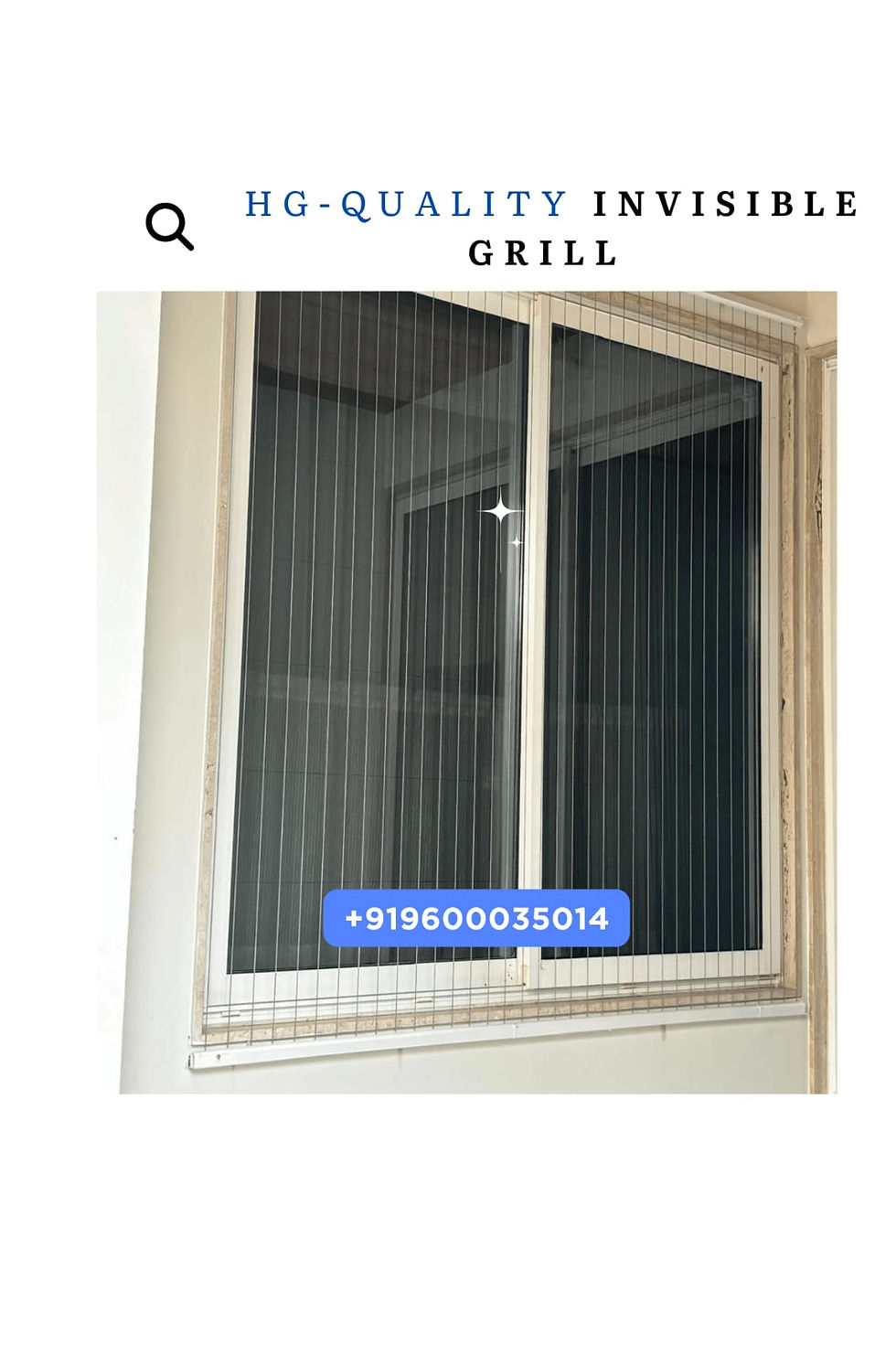
Invisible grills are made of thin stainless steel wires that blend seamlessly into the surroundings. While stainless steel is naturally resistant to rust, not all grades offer the same protection. Corrosion can weaken the wires, reducing safety and requiring costly replacements.
Here’s why corrosion resistance matters:
Durability: Corrosion-resistant grills last longer, maintaining strength and appearance.
Safety: Rust weakens wires, increasing the risk of breakage.
Low Maintenance: Resistant materials require less frequent cleaning and repairs.
Aesthetic Appeal: Corrosion can cause unsightly stains and discoloration.
Choosing the right materials and installation methods prevents these issues, especially in areas exposed to rain, salt air, or pollution.
Materials That Resist Corrosion
The key to corrosion resistance lies in the type of stainless steel used for the grill wires. Here are common options:
304 Stainless Steel
This is the most common grade used for invisible grills. It offers good corrosion resistance in most environments but may not be ideal for coastal areas with salty air.
316 Stainless Steel
Known as marine-grade stainless steel, 316 offers superior resistance to saltwater corrosion. It is the best choice for homes near the sea or in highly humid climates.
Coated Stainless Steel
Some invisible grills feature an additional protective coating, such as PVC or powder coating, to enhance corrosion resistance. These coatings add a barrier against moisture and chemicals.
When selecting your grill, ask the supplier about the stainless steel grade and any protective coatings applied.
Installation Tips for Corrosion Resistance
Proper installation plays a crucial role in preventing corrosion and ensuring the grill’s longevity. Follow these tips:
Use Quality Anchors and Fittings
Choose corrosion-resistant anchors and fittings made from stainless steel or other rust-proof materials. Avoid using galvanized or iron components that can rust and stain the wires.
Ensure Proper Tensioning
Correct tensioning of the wires prevents sagging and reduces movement that can wear down protective layers. Professional installers use specialized tools to achieve the right tension.
Seal Mounting Points
Apply waterproof sealants around mounting holes and brackets to prevent water ingress that can cause rust at connection points.
Avoid Direct Contact with Dissimilar Metals
Contact between stainless steel wires and other metals like iron or copper can cause galvanic corrosion. Use insulating materials or coatings to separate different metals.
Regular Inspection During Installation
Inspect wires and fittings for any damage or defects before finalizing installation. Damaged wires can corrode faster.
Maintenance Practices to Extend Grill Life
Even corrosion-resistant grills need care to stay in top condition. Here are maintenance tips:
Clean Regularly
Use mild soap and water to clean the wires and fittings. Avoid harsh chemicals or abrasive tools that can damage protective layers.
Rinse After Exposure to Salt
If your property is near the sea, rinse the grill with fresh water after storms or heavy salt exposure.
Inspect for Damage
Check for signs of rust, loose fittings, or wire wear at least twice a year. Early detection helps prevent bigger problems.
Lubricate Moving Parts
If your grill has hinges or sliding mechanisms, lubricate them with corrosion-resistant grease.
Professional Checkups
Schedule professional inspections every few years to assess tension and overall condition.
Benefits of Professional Installation
Invisible grill installation requires precision and expertise. Professionals ensure:
Use of the right corrosion-resistant materials and fittings.
Proper tensioning and alignment.
Secure mounting with waterproof sealing.
Compliance with safety standards.
DIY installation may save money upfront but risks improper tension or use of unsuitable materials, leading to corrosion and safety hazards.
Real-Life Example
A homeowner in a coastal city installed a 316 stainless steel invisible grill with professional help. After two years of exposure to salty air and heavy rain, the grill showed no signs of rust or sagging. The owner credits the choice of marine-grade steel and careful installation for the grill’s durability and clear views.
Choosing the Right Supplier
When selecting a supplier for corrosion-resistant invisible grills, consider:
Experience with corrosion-resistant materials.
Availability of marine-grade stainless steel.
Warranty and after-sales support.
Customer reviews and case studies.
A reputable supplier will guide you through material choices and installation options tailored to your environment.
Invisible grills offer a sleek, secure solution for windows, balconies, and terraces. Choosing corrosion-resistant materials like 316 stainless steel and following proper installation and maintenance practices ensures your grill stays strong and attractive for years. Consult professionals to get the best results and enjoy safety without compromising your view.


Comments